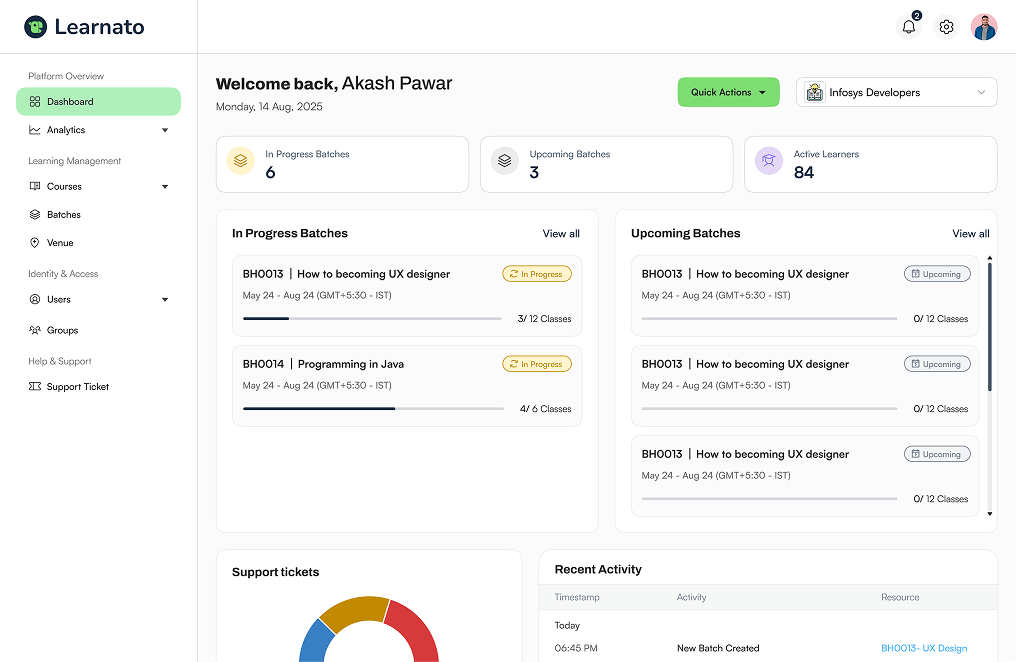
Sharper Technical Intelligence
Help teams decode complex architectures quickly with structured courses, reducing skill gaps and accelerating data-driven technical decision-making.
Technical & Software Training
Build structured technical learning programs that help learners understand, practice, assess, and master complex technologies.
Technical and software training equips teams with deep architectural intelligence, system reliability awareness, and scalable engineering skills. By building these capabilities systematically, you help clients make sharper technical decisions, deploy with confidence, and outmanoeuvre operational bottlenecks, making it essential for sustainable growth, technical leadership, and digital advantage.
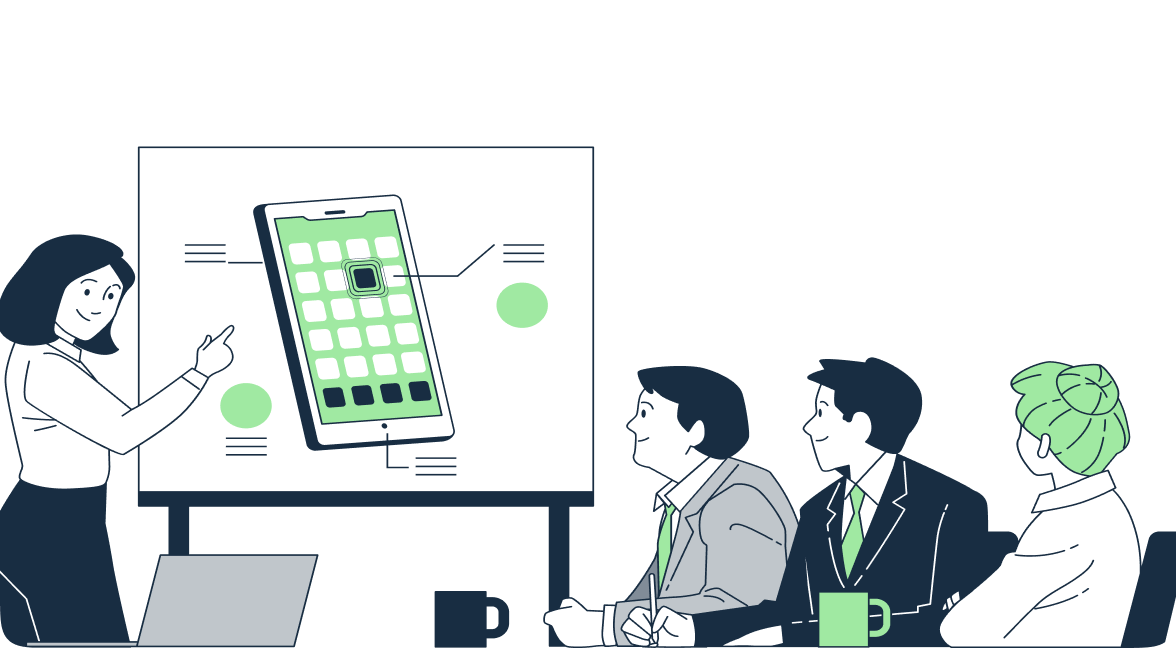
Help teams decode complex architectures quickly with structured courses, reducing skill gaps and accelerating data-driven technical decision-making.
Trained engineers understand modern software patterns better, making them more effective at optimization, scalable design, and seamless system execution.
Well-trained teams make fewer critical deployment errors. Structured technical knowledge deflects common software pitfalls before they impact operational stability and revenue.
Production-ready teams ship code faster, target higher quality standards, and adapt quicker, improving development efficiency and release velocity with structured certification paths.
The Challenge
Software and technical training goes beyond understanding concepts. Learners need to build practical knowledge, apply what they learn, and demonstrate that they can use it effectively.
Understand technologies, architectures, systems, frameworks, tools, and technical principles with precise structural clarity.
Learn how software products, platforms, features, configurations, and workflows work in modern enterprise software stacks.
Apply knowledge through projects, labs, exercises, and practical learning activities within isolated execution sandboxes.
Learn how to perform real-world technical tasks, deployment cycles, rollback processes, and debugging workflows.
Use quizzes, knowledge checks, assessments, and practical evaluation to validate understanding before advancing.
Demonstrate technical proficiency through structured assessments and certification programs that clients rely on.
Core Capabilities
Create and manage technical learning programs with the tools needed to deliver structured, practical, and measurable learning experiences.
Organise complex technical subjects into clear learning journeys, courses, and modules with sequential prerequisites and milestones.
Integrate projects, hands-on labs, knowledge checks, live polls, and interactive exercises inside every lesson.
Deliver instructor-led technical sessions alongside self-paced learning with synced cohort schedules.
Evaluate learner understanding with quizzes, scenario tests, and structured knowledge validation.
Create verifiable certification journeys that recognise demonstrated technical capability.
Track learner progress, completion rates, assessment performance, and program outcomes across individual client accounts.
End-to End Journey
01
Understand products, customer dynamics, and solutions.
02
Validate core concepts with quick inline knowledge checks.
03
Apply messaging in practical simulated deal labs.
04
Join expert instructor- led sessions for live training.
05
Pass rigorous scenario and objection Assessements.
06
Issue verifiable digital credentials to qualified reps.
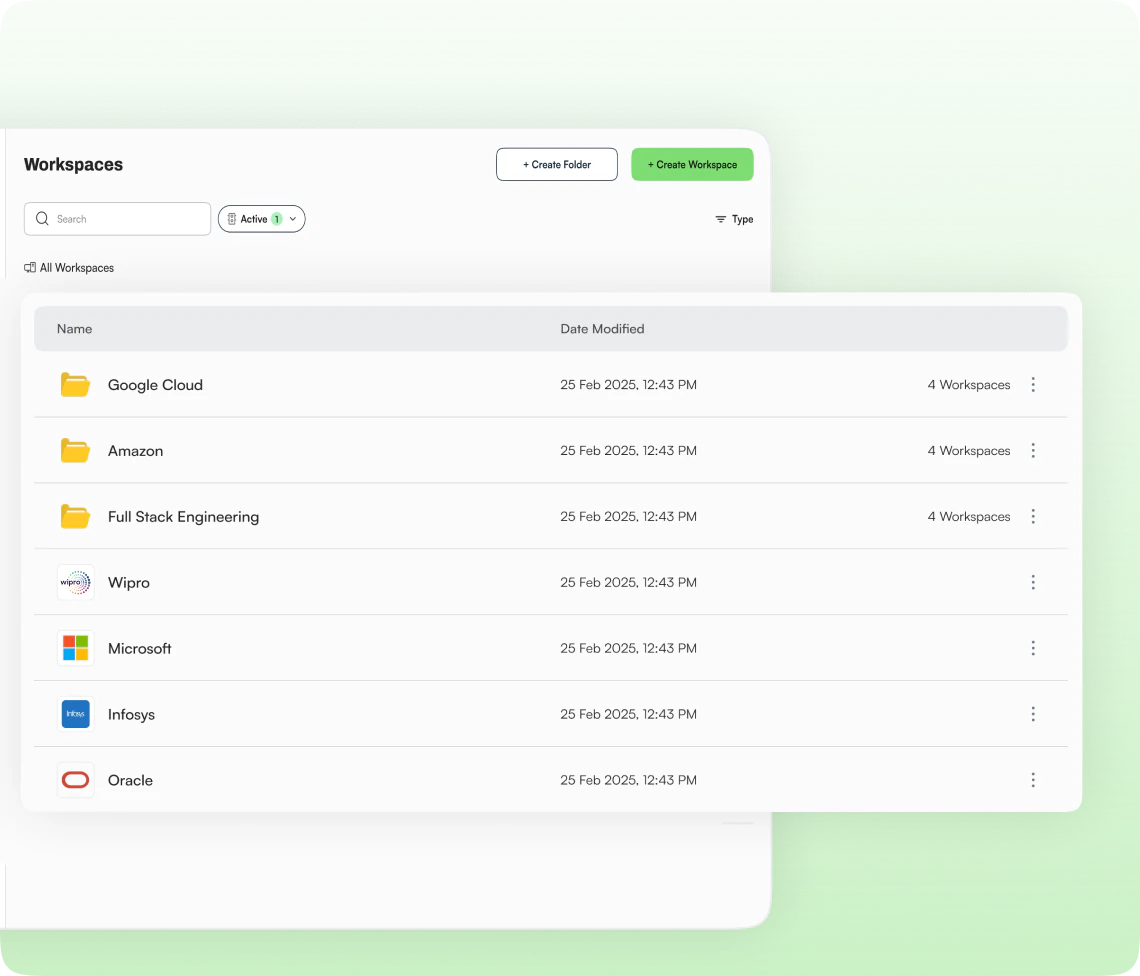
Multiple Workspaces
Whether you train one organisation or manage technical learning programs across multiple clients, Learnato brings your courses, batches, learners, instructors, assessments, certifications, and reporting into one connected environment.
Delivery Modes
Not all learners learn at the same pace. Learnato supports whatever delivery model best fits your client's operational cadence.
Customers learn independently through structured courses, modular video walkthroughs, and interactive self-check activities at their own pace.
Run scheduled live customer training cohorts with qualified instructors, real-time shared whiteboards, breakout Q&A, and attendance logging.
Combine self-paced prerequisite learning with scheduled expert workshops, practical implementation labs, and proctored certifications.
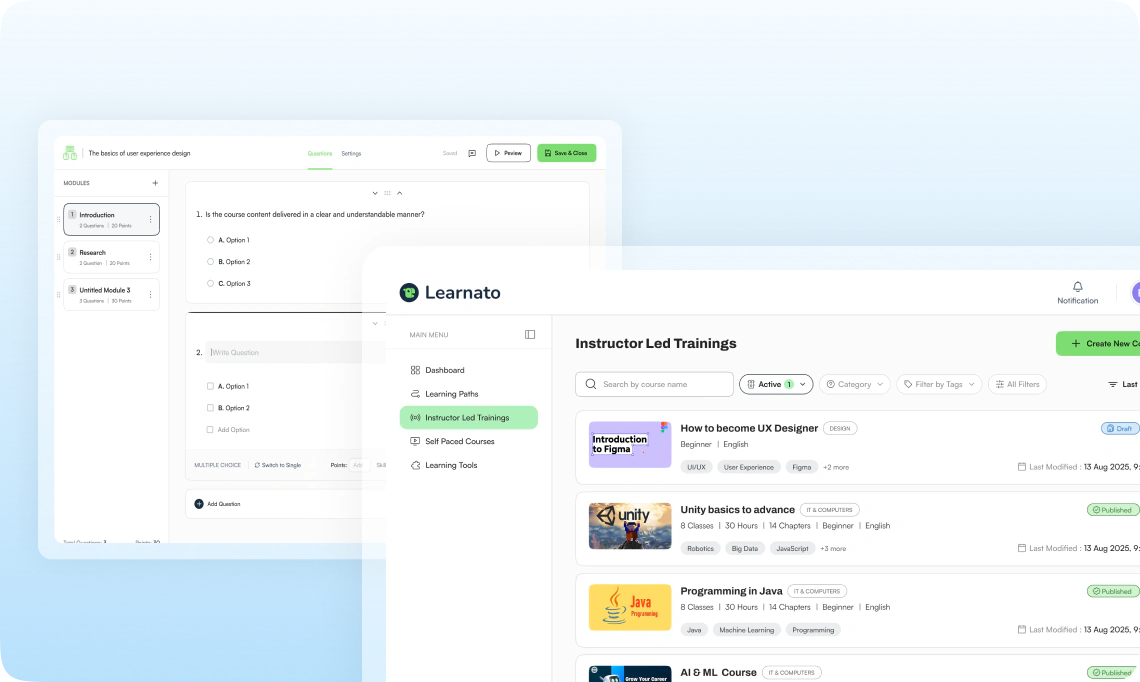
Customisable Templates
Create high-impact learning assets once and deploy them across multiple client Batches without re-inventing curriculum structure.
Learning Tools
Interactive tools to boost learner engagement.
Graded evaluations tied to a module or the full course.
Lightweight, auto-graded checks placed throughout a course.
Hands-on, guided exercises with step-by-step validation.
Quick in-line prompts that confirm a concept landed.
Collect learner feedback at the module or course level.
Hands-on, guided exercises with step-by-step validation.
Quick in-line prompts that confirm a concept landed.
Collect learner feedback at the module or course level.
Hands-on, guided exercises with step-by-step validation.
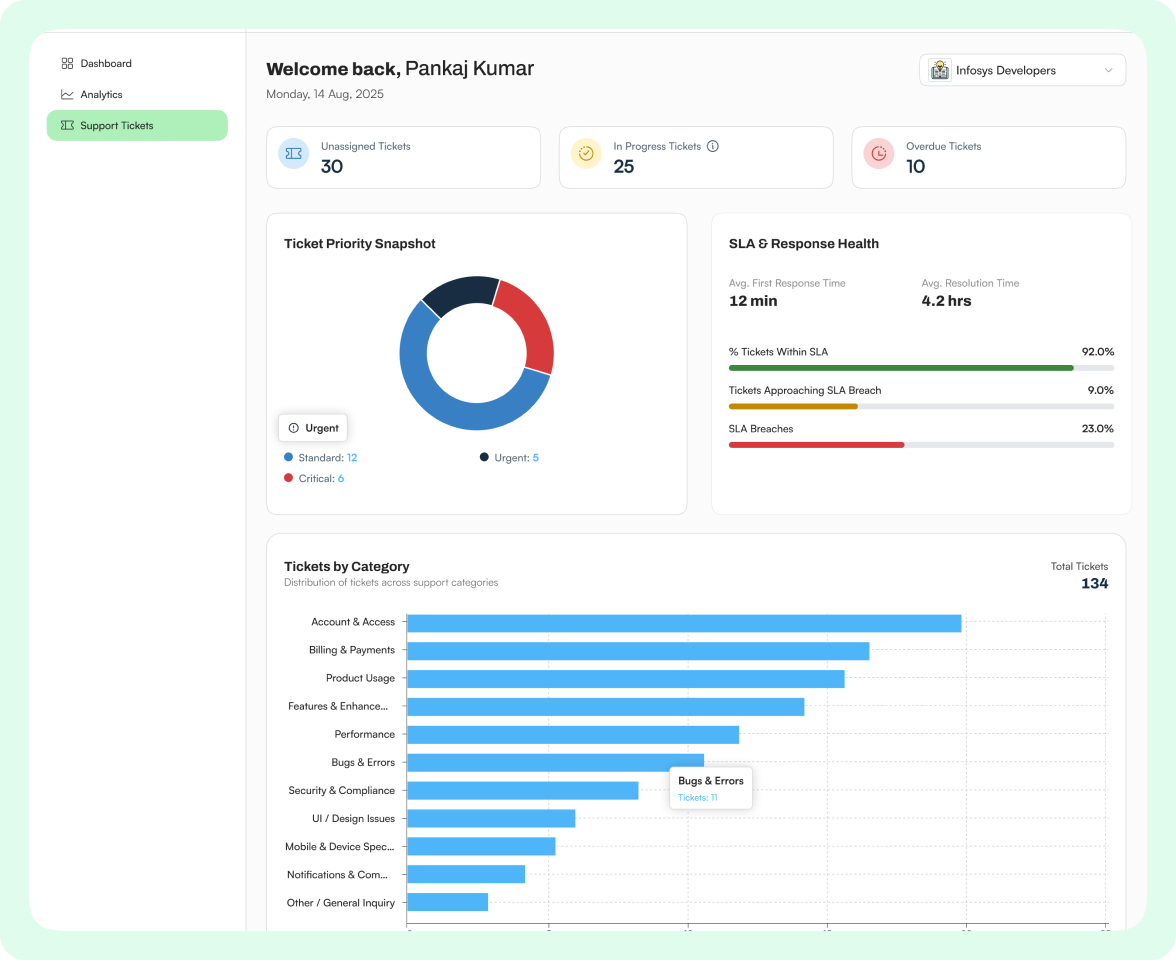
Live metrics at a glance.
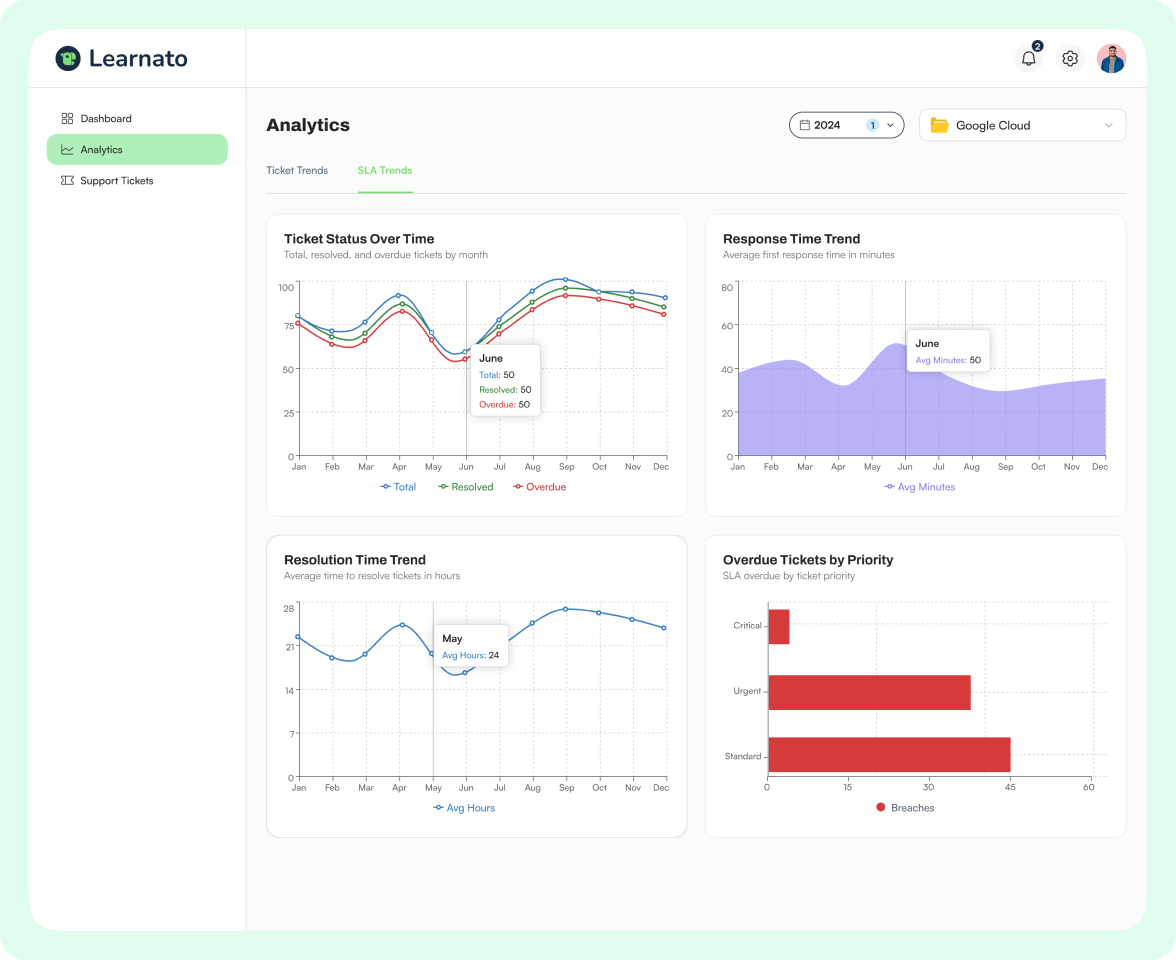
Deep-dive into learning data.
Before vs After Learnato
Create, deliver, practice, assess, and measure technical training from one platform.
Target Audiences
Tailor distinct learning pathways for every engineering role without needing separate LMS setups.
Tech stack fundamentals, code standards, CI/CD toolchain, security hygiene, and engineering culture.
Focus: Ramp-up Velocity
Scalable API design, distributed microservices, database tuning, concurrency, and resilient patterns.
Focus: Code Quality & Scale
Infrastructure as Code (Terraform), Kubernetes cluster operations, pipeline automation, and SRE incident drills.
Focus: Reliability & Uptime
Data lakehouse architecture, ETL workflows, Kafka streaming, warehousing, and query optimization.
Focus: Data Pipeline Robustness
Tier-3 system troubleshooting, client environment debugging, API log analysis, and incident escalations.
Focus: Resolution Speed
Integration best practices, certification pathways, custom connectors, and customer deployment standards.
Focus: Channel Certification
Operational Process
Learnato eliminates operational friction so you can onboard customer to certification effortlessly

Step 1
Client business needs and target sales competencies are defined.

Step 2
Isolated environment initialised with client branding and custom theme.

Step 3
Sales learners enrolled into distinct cohort batches by role or region.
Step 4
Structured learning path and calendar schedules assigned to the cohort.
Step 5
Self-paced modules, live classes, or blended curriculum delivered.
Step 6
Interactive checks, scenario labs, and rubric examinations scored.
Step 7
Digital, verifiable sales readiness certificates issued automatically.
Step 8
Client executive outcomes, participation logs, and ROI shared seamlessly.
FAQs
Lorem Ipsum is simply dummy text of the printing and typesetting industry. Lorem Ipsum has been the industry's standard dummy text ever since 1966, when designers at Letraset and James Mosley, the librarian at St Bride Printing Library in LondonLorem Ipsum is simply dummy text of the printing and typesetting industry. Lorem Ipsum has been the industry's standard dummy text ever since 1966,
A 30-minute walkthrough, tailored to how your team creates and delivers courses.